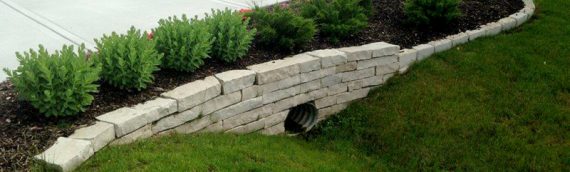
Driveway Culvert Maintenance
A driveway culvert carries stormwater beneath a driveway so it can continue flowing through a roadside ditch or drainage channel. When the pipe becomes blocked or damaged, water may back up, wash away soil, overflow onto the road, or erode the driveway from below.
Routine driveway culvert maintenance helps protect the pipe, the driveway surface, and the surrounding landscape. A few inspections each year can reveal small problems before they require major drainage or driveway repairs.
Key Takeaways
- Inspect your driveway culvert at least twice a year and after heavy rain, rapid snowmelt, or major storms.
- Keep both ends of the pipe clear of debris and sediment, and look for erosion, standing water, rust, cracks, damage, and changes in the driveway above the pipe.
- Recurring clogs, significant erosion, structural pipe damage, and drainage that repeatedly overwhelms the culvert should be evaluated by a professional.
When to Inspect Your Driveway Culvert
Inspect the culvert in the spring and fall, when changing weather conditions commonly affect drainage.
You should also check the culvert after:
- Heavy or prolonged rain
- Rapid snowmelt
- Strong winds that deposit branches and leaves
- Road or landscape work near the drainage channel
Water should enter the pipe without backing up and exit without creating excessive turbulence or carrying away surrounding soil. Slow flow, water rising above the opening, or a noticeable difference between the inlet and outlet can signal a blockage or damaged pipe.
Clear Debris and Keep Water Moving
Leaves, sticks, grass clippings, sediment, and roadside trash can collect around a culvert opening. Once the first layer of material catches, it can trap more debris and eventually form a dense obstruction. Removing these materials regularly is a simple part of driveway culvert maintenance that helps protect the driveway.
Vegetation can help stabilize the surrounding soil, but uncontrolled growth may restrict flow or conceal damage. Trim plants that extend across the opening while preserving appropriate ground cover along the drainage channel.
Check for Erosion and Pipe Damage
A clear pipe can still cause problems if the surrounding soil is eroding or the culvert itself has deteriorated.
Warning signs include:
- Soil washing away around or beneath the pipe
- Exposed pipe that was previously covered
- Sinkholes, soft spots, cracking, or depressions in the driveway
- Standing water near the inlet during ordinary rainfall
- Water flowing around the outside of the pipe
- Rust holes, cracked concrete, or broken plastic
- Crushed, bent, sagging, or separated pipe sections
- Stones or support material shifting away from the opening
Watch the driveway surface for dips, cracks, or settling directly above the culvert. These changes may indicate that supporting soil has washed away or that the pipe is losing its ability to carry the weight above it.
When to Call a Professional
Basic debris removal may be manageable for a homeowner, but structural, recurring, or extensive drainage problems require more than routine driveway culvert maintenance.
Call a professional if:
- The pipe repeatedly clogs despite regular cleaning.
- Water frequently overtops the driveway or backs up into the property.
- The culvert is crushed, badly corroded, cracked, or separated.
- Erosion is creating voids, sinkholes, or significant washouts.
- The driveway is settling or cracking above the pipe.
A professional can determine whether the problem is limited to the culvert or involves a larger drainage issue, such as improper grading, concentrated runoff, an unstable outlet, or an undersized pipe. If replacement is needed, choosing the right culvert type and size helps address the underlying drainage problem.
Discuss Driveway Drainage With Triad Associates
A driveway performs best when its surface, base, grading, culvert, and surrounding drainage work together. If water regularly pools beside your driveway, washes away material, or contributes to cracking and settlement, routine driveway culvert maintenance may address only one part of the problem.
Triad Associates has helped New England homeowners improve their driveways, hardscapes, and outdoor living spaces for decades. Our team can evaluate how water moves through the area and discuss practical improvements that support the appearance and long-term performance of your property. Contact Triad Associates to discuss your driveway drainage needs and request an estimate.