 When planning a new patio, driveway, or walkway, one of the first decisions you’ll face is what type of material to use. Pavers are a popular option due to their relative affordability, flexibility in design, and ease of installation and maintenance. But even when you decide to use pavers, you’ll also have to consider whether to use permeable vs. non-permeable pavers.
At first glance, both options offer the same appeal; they are durable, stylish surfaces that can transform outdoor spaces. But beneath the surface, they function in very different ways. The choice you make will affect not only the look of your project but also how it handles water, how much maintenance it requires, and its impact on the environment.
The hardscaping experts at Triad Associates can help you understand the key differences between permeable vs. non-permeable pavers, explain how each type works, and highlight the situations where one may be better suited than the other. They’ll help you make the right choices to bring your vision to life and to enjoy long-lasting results.
What Are Permeable Pavers?
Permeable pavers are specially designed paving materials that allow water to pass through the surface and into the ground below. Unlike traditional solid pavers, these systems have joints or porous structures that facilitate water infiltration. This makes them an environmentally friendly choice for managing stormwater and reducing runoff.
How Permeable Pavers Work
Permeable pavers work by creating a drainage layer beneath the surface. Rainwater or melted snow filters down through the paver joints or porous material and into a gravel or aggregate base. From there, the water naturally percolates into the soil, replenishing groundwater supplies and reducing the strain on stormwater systems. This process helps prevent pooling and flooding in the surrounding area, and it minimizes pollutants from entering waterways. Permeable pavers help to prevent erosion and runoff, and they protect the hardscaped area from shifting due to excess water.
Common Applications of Permeable Pavers
 Permeable pavers are commonly used in areas where stormwater management and eco-friendly building practices are priorities. You’ll often see them used in:
- Driveways
- Patios
- Walkways
- Parking lots
- Public spaces where runoff reduction is a requirement, such as parks and squares
Permeable pavers are especially popular in regions with strict environmental regulations or in projects aiming for sustainable certifications.
What Are Non-Permeable Pavers?
Non-permeable pavers are the traditional type of paving materials that do not allow water to flow through them. These solid surfaces cause water to run off into surrounding drainage systems instead of absorbing into the ground. While they may not offer the same environmental benefits, they remain a popular choice due to their durability and the variety of options they offer for different designs.
Characteristics of Non-Permeable Pavers
 Non-permeable pavers are typically made of concrete, brick, or natural stone. They are dense, strong, and resistant to heavy loads, making them a reliable option for long-lasting outdoor surfaces. Since they do not absorb water, they require proper grading and drainage systems to prevent puddling or erosion that can later cause damage to the surface. Homeowners and contractors often select non-permeable pavers for their wide range of finishes, colors, and textures. They provide great versatility for design.
Common Applications of Non-Permeable Pavers
Non-permeable pavers are widely used in both residential and commercial projects. Common applications include:
- Traditional patios and backyard spaces
- Pool decks
- High-traffic walkways
- Courtyards and plazas
- Areas where aesthetics and strength are prioritized over water management
Non-permeable pavers are often chosen when stormwater concerns are minimal or when a classic, low-maintenance paving solution is desired.
What is the Difference Between Permeable and Non-Permeable Pavers?
The main differences between permeable vs. non-permeable pavers lie in how they handle water, which determines their environmental benefits (or lack thereof) and their suitability for specific project goals. Both options can provide durable and attractive surfaces, but they serve very different purposes in outdoor design.
Drainage and Water Management
Permeable pavers allow water to seep through the surface and into the ground, reducing runoff and minimizing the risk of flooding or pooling. Non-permeable pavers, on the other hand, block water and rely on slopes, drains, and gutters to manage water runoff. For this reason, permeable pavers are a better choice for areas that are prone to heavy rainfall or that have strict drainage requirements.
Environmental Impact
Because permeable pavers promote natural water infiltration, they help filter pollutants, recharge groundwater, and support eco-friendly landscaping practices. Non-permeable pavers can contribute to stormwater issues if they are not paired with a proper drainage system. But even then, the drainage system may not always deal with water as efficiently as natural absorption. For sustainable projects or those aiming to meet environmental guidelines, permeable pavers are often the better choice.
Installation and Maintenance
Permeable pavers require a carefully layered base of gravel or aggregate to allow water to flow beneath their surface effectively. They may also need periodic joint refilling to maintain their uniform appearance. Otherwise, weeds and other greens may grow between them and push them apart. Non-permeable pavers also need a base layer of gravel or aggregate, and they need to be connected to a drainage system. Proper grading is also more important for non-permeable pavers as the water will need to be directed to the drainage properly.
Durability and Lifespan
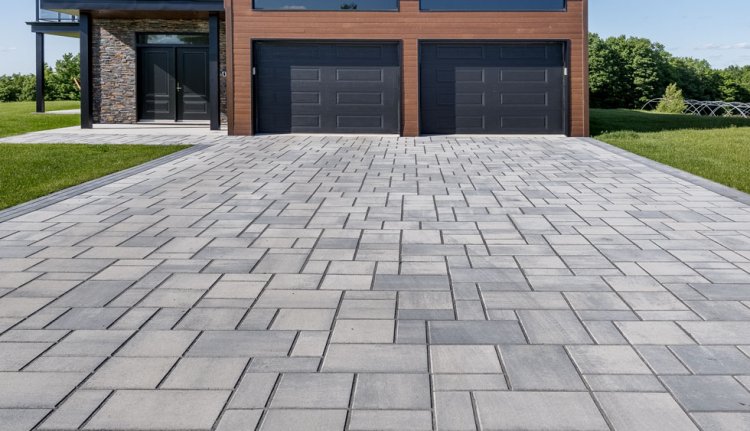
Both types of pavers are built to last, but non-permeable pavers are often denser, making them highly resistant to wear and heavy loads. Those qualities make them a top choice for driveways and commercial spaces. Permeable pavers are durable as well, though their long-term effectiveness depends on consistent maintenance of the drainage layers beneath them. Poor drainage can cause them to shift and become less effective.
Cost Considerations
The cost analysis of permeable vs. non-permeable pavers shows that permeable options often cost more upfront due to their specialty design. However, they may save money in the long term by reducing the need for additional drainage infrastructure and by helping avoid flooding-related damage. Non-permeable pavers are usually more affordable initially, making them a practical option for budget-conscious projects. However, you will need to consider the potential long-term costs of the system when deciding on what will be best for your budget.
Aesthetic and Design Considerations
 Both permeable vs. non-permeable pavers offer attractive design options, but the range of choices can differ. The design specialists at Triad Associates can help you explore the options for each to determine which will help you achieve the design aesthetic you desire.
Variety of Styles and Colors
Non-permeable pavers often come in a broader selection of finishes, textures, and color options. Permeable pavers are catching up, but choices can sometimes be more limited. As their popularity continues to grow, you can expect to find the same design options for both types of pavers.
Ability to Complement Outdoor Living Spaces
Both types can be used to enhance patios, walkways, and driveways, but non-permeable pavers may be more versatile for decorative patterns and high-end finishes.
Customization Options for Unique Projects
While permeable pavers can still be customized, they are often selected for their functionality first, with design as a secondary consideration. Non-permeable pavers provide more freedom for projects where aesthetics are the top priority.
What is the Right Paver for Your Project?
Choosing between permeable vs. non-permeable pavers ultimately comes down to your project’s goals, site conditions, and aesthetic preferences. Both types provide durable, attractive surfaces, but the right fit depends on how you want your space to function long term. The design specialists at Triad Associates can guide you through all the considerations to get the best results for your project.
Factors to Consider Before Choosing
Before deciding, consider:
- Local climate and rainfall. Areas with frequent storms may benefit from permeable solutions.
- Drainage requirements. Municipal codes or neighborhood restrictions may require stormwater management.
- Budget. Factor in upfront installation costs as well as long-term maintenance.
- Intended use. Heavy-traffic driveways or patios with decorative elements may lean toward non-permeable options.
- Environmental goals. If sustainability is a priority, permeable pavers may align better with your values.
Situations Best Suited for Permeable Pavers
Permeable pavers are ideal for:
- Driveways in areas prone to flooding or pooling
- Patios and walkways in eco-friendly landscapes
- Projects requiring compliance with stormwater regulations
- Sustainable builds seeking LEED certification or green design recognition
Situations Best Suited for Non-Permeable Pavers
Non-permeable pavers are a strong choice for:
- High-traffic areas that require maximum durability
- Decorative patios, courtyards, and pool decks where design is the priority
- Budget-conscious projects with straightforward drainage systems
- Spaces where traditional aesthetics and customization are most important
Work With Triad Associates’ Pavers Experts
Whether you’re planning a driveway, patio, walkway, or large commercial project, Triad Associates has the expertise to guide you toward the right choice. Our team located in Haverhill, MA, specializes in both permeable and non-permeable paver installations, helping you balance design, durability, and functionality.
We’ll work with you to assess your site, understand your goals, and create a finished space that enhances your property. Contact Triad Associates today and let our experts help you choose between permeable vs. non-permeable pavers and install the perfect solution for your outdoor living space.