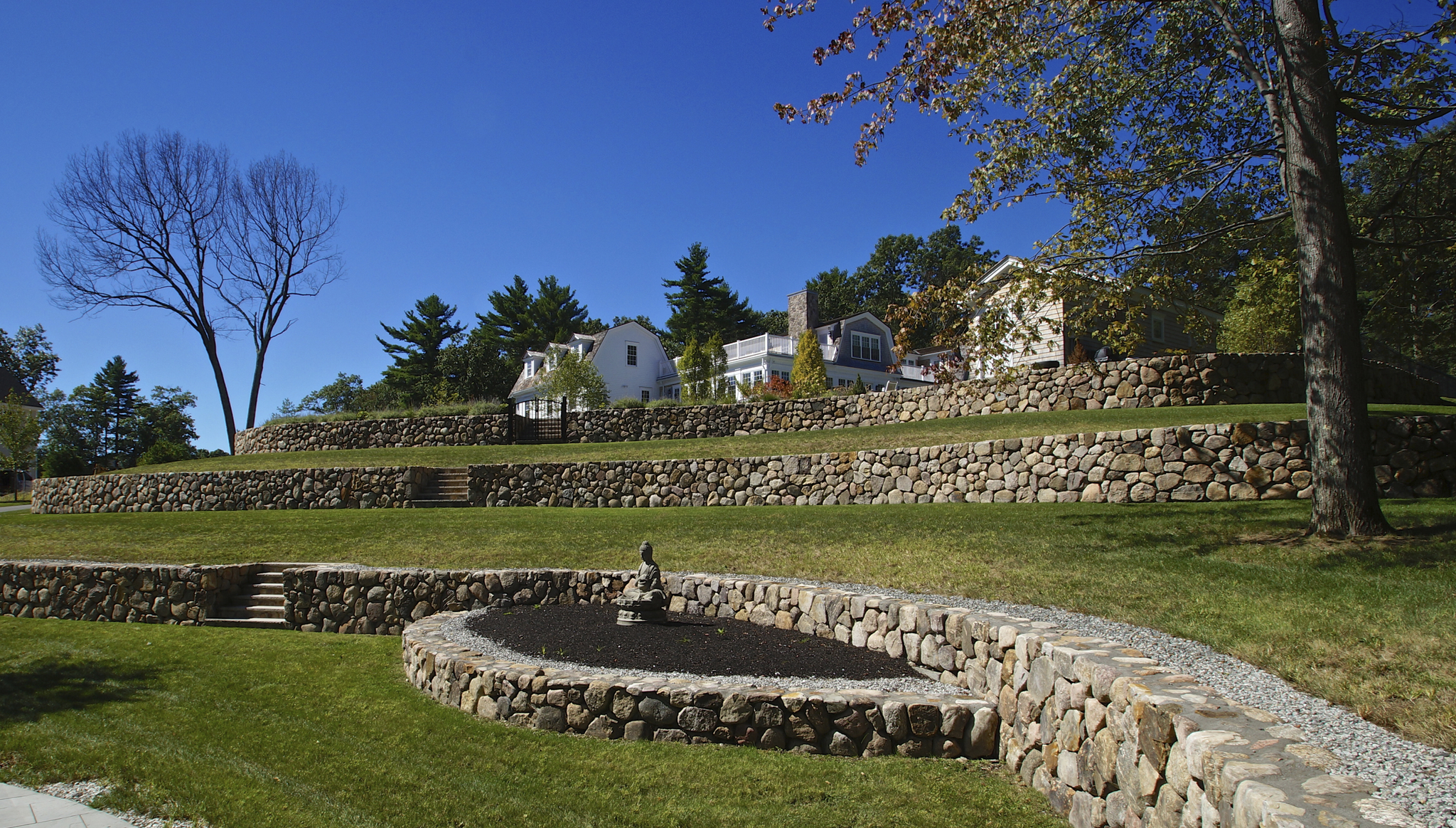
 Retaining wall materials cost ranges anywhere from $25 to $75 per square foot, depending on the material, labor, and engineering needs required for the wall, as well as the site conditions. Smaller, simple walls may fall on the lower end of the spectrum, while taller or more complex walls—especially those requiring excavation, drainage, or structural reinforcement—land on the higher end. For homeowners planning a new hardscaping project, understanding these variables helps set realistic expectations and avoid surprises later in the build. The professionals at Triad Associates can guide you through every step of the process, helping you determine the right characteristics to meet your aesthetic and functional goals while also staying on budget.
Factors That Influence Retaining Wall Pricing
Retaining wall materials cost varies widely because every site and design has unique needs. From the type of material you select to the difficulty of working on your property, several factors combine to determine the final cost. Below are the main drivers that determine how much you can expect to spend.
Material Choices and Price Differences
The material you choose has one of the biggest impacts on total cost:
- Concrete blocks are durable and moderately priced. They are often the most economical long-term option because they require minimal maintenance.
- Natural stone delivers a premium look but comes with higher labor and material costs due to weight, irregular shapes, and specialty installation techniques.
- Timber is one of the most budget-friendly options upfront, though it typically has a shorter lifespan than stone or concrete.
- Poured concrete offers a sleek, modern aesthetic and exceptional strength, but it requires specialized labor and forms, pushing it into a higher price category.
- Gabions (stone-filled wire baskets) have a unique, rugged appearance and can be cost-effective depending on the stone used, though labor needs vary.
Each material has different installation methods, maintenance needs, and structural properties—all of which influence total project cost.
Labor Costs and Regional Variations
Labor typically accounts for a significant portion of retaining wall cost, often 50 percent or more of the total project cost. Prices vary by region based on local demand for skilled hardscaping contractors, cost of living, availability of materials, and environmental and engineering requirements.
Highly skilled installation—especially for walls that require grading, drainage, or engineering oversight—will raise the price but ensures long-term stability and safety. Don’t attempt to DIY this kind of project. Call the professionals at Triad Associates for expert installation that gets gorgeous and long-lasting results.
Site Conditions and Their Impact on Pricing
The physical landscape of your property plays a major role in determining your retaining wall materials cost. Your retaining wall may cost more if:
- The soil is unstable or prone to erosion
- The installation area is hard to access with equipment
- The slope is steep or requires significant grading
- Existing landscaping or structures need removal
- The project requires additional drainage to prevent wall failure
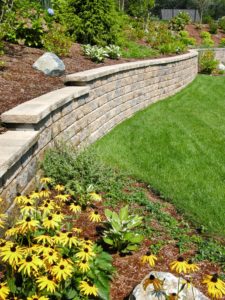 Challenging site conditions mean more labor, more time, and potentially more materials, which increases overall cost.
Design Complexity and Additional Features
Beyond the basics, design elements can raise the cost but significantly enhance both appearance and performance. These may include:
- Curved or multi-tiered walls
- Decorative stone facades
- Built-in steps
- Integrated lighting
- Custom textures or stamped finishes
- Capstones or coping for a polished look
Additionally, walls over a certain height may require engineering, reinforcement grids, or drainage systems—each adding to the final price tag but ensuring structural integrity.
Cost Breakdown by Retaining Wall Type
Choosing the right material is one of the most important decisions you’ll make when planning a retaining wall. Each material comes with its own price range, installation requirements, and long-term maintenance considerations. Below is a clear breakdown of what homeowners can expect to pay based on the five most common wall types.
Concrete Block Retaining Wall Costs
Concrete blocks are among the most popular choices due to their strength, clean appearance, and relatively straightforward installation.
- Average cost: $30-$60 per square foot
- Why homeowners choose it: Durability, modular design, consistent appearance
- Cost factors: Block style, height, drainage, and reinforcement needs
Concrete block walls offer excellent value and often provide the longest lifespan for the price.
Natural Stone Retaining Wall Costs
Natural stone walls offer unmatched beauty and character, but the material and labor demands place them on the higher end of the cost spectrum.
- Average cost: $60-$125 or more per square foot
- Why homeowners choose it: High-end aesthetics, timeless look, premium curb appeal
- Cost factors: Stone type (granite, fieldstone, bluestone, limestone), weight, shaping, installation time
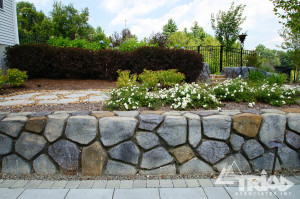 Because stone is irregular and heavy, installation requires skill, contributing to a higher cost.
Timber Retaining Wall Costs
Timber walls are budget-friendly and blend well with natural landscapes, making them a popular choice for residential homes.
- Average cost: $20-$40 per square foot
- Why homeowners choose it: Lowest upfront cost, warm natural appearance
- Cost factors: Timber grade, treatment, lifespan, and drainage needs
Timber walls are less expensive initially, but they generally require replacement sooner than stone or concrete options.
Poured Concrete Retaining Wall Costs
Poured concrete walls deliver maximum strength and a sleek, modern aesthetic but require specialized labor and forms.
- Average cost: $45-$80 or more per square foot
- Why homeowners choose it: Strength, clean lines, long-term stability
- Cost factors: Formwork complexity, reinforcement, finish texture, engineering
These walls are ideal for modern designs or projects requiring significant load-bearing capacity.
Gabion Retaining Wall Costs
Gabions are steel-wire baskets filled with stone. They offer a rugged, contemporary look and can be highly cost-effective depending on materials.
- Average cost: $30-$70 per square foot
- Why homeowners choose it: Flexibility, modern design, erosion resistance
- Cost factors: Stone selection, basket size, fill volume, and labor time
Gabions often require less precise labor but may require more stone depending on design height.
How to Calculate the Cost of a Retaining Wall?
Estimating the total sum of your retaining wall materials cost involves understanding basic measurements, material pricing, and more. Here’s how homeowners can get an accurate picture before requesting quotes.
Measuring Wall Length and Height
Most retaining wall pricing is based on square footage, which is simply wall length × wall height. For example, a wall that is 50 feet long and 4 feet tall would have 200 square feet of wall surface. Accurate measurements help ensure estimates are realistic.
Understanding Price per Square Foot
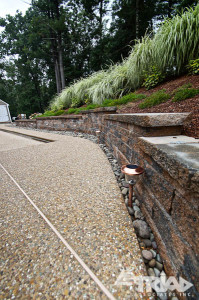 Contractors typically price retaining walls using per-square-foot rates, which include materials, labor, equipment, basic grading or excavation, and standard drainage gravel. Typical price ranges run from $25-$75 per square foot, depending on the wall type and complexity.
Common Price Ranges for Different Materials
Here’s a quick reference, per square foot of material:
- Timber: $20-$40
- Concrete Block: $30-$60
- Gabion: $30-$70
- Poured Concrete: $45-$80 or more
- Natural Stone: $60-$125 or more
Larger walls, difficult sites, or specialty drainage systems can push costs toward the higher end.
How Much Should a 100-Foot Retaining Wall Cost?
A 100-foot wall varies widely in cost depending on height and material. Here’s a rough baseline assuming a 4-foot-tall wall (400 sq. ft.):
- Timber: $8,000-$16,000
- Concrete block: $12,000-$24,000
- Gabion: $12,000-$28,000
- Poured concrete: $18,000–$32,000 or more
- Natural stone: $24,000–$50,000 or more
If the wall is taller, includes curves, or requires advanced engineering, costs increase accordingly.
When to Request a Professional Quote
You should always request a professional quote for estimated retaining wall materials cost. This is not a recommended DIY job. However, it becomes especially important to request a professional estimate when:
- The wall is over 3-4 feet tall
- The soil is unstable or sloped
- Drainage or engineering is needed
- You’re considering premium materials
Experienced contractors like those at Triad Associates can assess site conditions, recommend materials, and provide a tailored quote that reflects your project’s exact needs.
Additional Expenses to Consider
Beyond materials and labor, several secondary costs can influence the total price of your retaining wall project. These expenses ensure the wall performs well over time, complies with local regulations, and leaves your property clean and ready to enjoy.
Permits and Local Requirements
Retaining walls above a certain height—often 3 to 4 feet—may require building permits, engineering approval, inspections during construction, and compliance with zoning and property line regulations. Permit fees vary by municipality but typically range from $50 to $300. Failing to secure proper permits can result in fines or mandatory reconstruction, so it’s essential to check requirements before work begins. Professional contractors like those at Triad Associates handle this step for you and have the experience to let you know what to expect ahead of time.
Drainage Systems and Soil Preparation
Proper drainage is critical to preventing water pressure buildup, erosion, and premature wall failure. Drainage-related expenses may include drain pipes behind the wall, gravel or backfill material, waterproof membranes, soil leveling or grading, and removal of old soil or debris. These elements typically add $5-$15 per square foot, but they drastically improve long-term performance.
Reinforcement and Engineering Needs
Some retaining walls may require additional reinforcement to ensure structural integrity. Added costs may include:
- Geogrid reinforcement
- Structural rebar (for poured concrete)
- Engineering drawings or stamped plans
- Soil testing for load-bearing analysis
Engineering services can range from $500 to $2,000 or more, depending on complexity.
Cleanup and Haul Away Fees
Once the wall is installed, contractors must dispose of old materials, excess soil, and construction debris. This can involve a dumpster rental, trucking and hauling, and site cleanup and rough grading. Expect cleanup fees to add $200 to $800.
Work With Triad Associates’ Retaining Wall Experts
When it comes to building a retaining wall that is both attractive and structurally sound, experience matters. Triad Associates brings decades of expertise in hardscaping, masonry, and engineering-grade installations. Our team can evaluate your property’s unique conditions and recommend the best materials for your budget and aesthetic. We’ll provide clear, detailed pricing with no surprises and deliver craftsmanship that enhances your landscape for years.
Whether you need a small garden wall or a major structural installation, Triad Associates in Haverhill, MA, has the skills, equipment, and attention to detail to bring your project to life while taking due care to manage retaining wall materials cost. Contact us today.