 Power washing is a popular method for cleaning pavers, but it isn’t always the best option. High-pressure water can loosen joint sand, damage older pavers, or shift stones out of place if it is used improperly. Fortunately, there are several effective ways for homeowners researching how to clean pavers without power washing to get strong results. With a few simple tools and gentle cleaning methods, homeowners can remove dirt, stains, and weeds while protecting the integrity of their paver surface.
What Are the Materials Needed for Cleaning Pavers?
Cleaning pavers without power washing typically requires only a few basic tools and household materials, especially for those learning how to clean pavers without power washing effectively. Having the right supplies on hand helps make the process easier and more effective.
You’ll need:
- A stiff-bristle push broom or scrub brush
- Garden hose with spray nozzle
- Bucket or spray bottle
- White vinegar
- Baking soda
- Mild dish soap (optional)
- Protective gloves
- Boiling water for weed removal
For tougher stains, additional products such as specialized paver cleaners may be used, but many everyday cleaning tasks can be handled with these simple supplies.
Preparation Steps
Before beginning the cleaning process, it’s important to prepare the paver surface so that cleaning solutions work effectively and debris won’t spread across the area, which is a key step in understanding how to clean pavers without power washing properly.
Start by removing furniture, planters, grills, or other items from the patio, driveway, or walkway. Next, sweep the pavers to remove loose dirt, leaves, and debris. Pay close attention to the joints between pavers where dust, sand, and organic material can accumulate.
If weeds are growing between the pavers, they should be removed before applying any cleaning solutions. Pull them out or treat them with boiling water.
What Cleaning Methods Are There for Pavers?
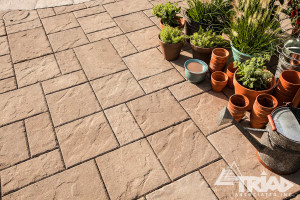 There are several gentle cleaning techniques that can help restore the appearance of pavers without relying on high-pressure washing, which is central to how to clean pavers without power washing. These methods use simple tools and household ingredients to break down dirt, remove stains, and control weeds while protecting the paver surface.
Dry Brushing Technique
Dry brushing is one of the simplest ways to remove dirt and debris from pavers. Using a stiff-bristle push broom, sweep the surface thoroughly to loosen dirt, dust, and organic material.
When brushing, focus on both the paver surfaces and the joints between stones. Removing debris from the joints helps prevent weed growth and keep the installation looking neat.
Vinegar Solution Method
White vinegar is a commonly used natural cleaner that can help remove grime and mild stains from pavers. When diluted with water, it creates a simple cleaning solution suitable for many outdoor surfaces.
To use this method, mix equal parts white vinegar and water in a bucket or spray bottle. Apply the solution to the pavers and allow it to sit for several minutes so it can break down dirt and buildup.
After letting the solution soak briefly, scrub the area with a stiff-bristle brush and rinse with a garden hose. This method can be especially useful for patios and walkways that accumulate dirt or algae.
Baking Soda Paste Application
Baking soda is another household ingredient that can help address small stains or spots on pavers. When mixed with water, it forms a paste that can be applied directly to problem areas.
To create the paste, combine baking soda with a small amount of water until it reaches a thick consistency. Spread the paste onto the stain and let it sit for several minutes.
Once the paste has had time to work, scrub the area gently with a brush and rinse with water. This approach can help lift minor stains while remaining gentle on the paver surface.
Boiling Water for Weeds
Weeds commonly grow between pavers where joint sand and moisture create favorable conditions. Boiling water offers a simple and chemical-free way to eliminate these unwanted plants.
Carefully pour boiling water directly onto the weeds growing between the pavers. The heat damages the plant tissue and roots, helping kill the weeds. After the weeds have died, they can be removed from the joints and the area can be brushed clean.
What’s the Step-by-Step Cleaning Process
Cleaning pavers without power washing is a straightforward process that focuses on removing debris, loosening dirt, and gently scrubbing the surface. For anyone looking into how to clean pavers without power washing, following a few simple steps can restore the appearance of patios, walkways, and driveways while protecting the integrity of the pavers and the joint sand between them.
Initial Sweeping and Brushing
The first step is to remove loose debris from the surface of the pavers. Use a stiff-bristle broom to sweep away dirt, leaves, dust, and small stones that may have collected over time.
Pay special attention to the joints between the pavers, as these areas often trap organic material that can contribute to stains, moss, or weed growth. Sweeping thoroughly helps prevent debris from turning into muddy residue once water or cleaning solutions are applied. If weeds are present between the pavers, remove them before continuing with the cleaning process.
Apply Cleaning Solution
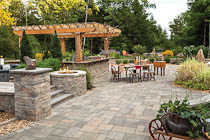 Once the surface has been cleared, apply a cleaning solution to help break down dirt and grime. This step is essential when learning how to clean pavers without power washing, as it replaces the need for high-pressure force. Depending on the situation, this may be a mixture of vinegar and water, mild dish soap diluted in water, or another gentle cleaning product suitable for outdoor surfaces.
Pour or spray the solution evenly across the pavers, focusing on areas with visible dirt or discoloration. Allow the solution to sit for several minutes so it can penetrate and loosen the buildup on the surface. Doing so reduces the amount of scrubbing required and improves results.
Scrub and Agitate
After the cleaning solution has had time to sit, scrub the pavers using a stiff-bristle brush or push broom. This step helps lift dirt, algae, and other debris that may be stuck to the surface.
Work in sections to ensure that each area is thoroughly cleaned. Use firm but controlled pressure to avoid disturbing the joint sand between the pavers. Scrubbing in circular motions or back-and-forth strokes can help loosen stubborn buildup and restore the natural appearance of the stones.
Rinse with Hose
Once scrubbing is complete, rinse the entire area with a garden hose. The flowing water helps wash away loosened dirt, cleaning solution residue, and remaining debris.
Use a steady spray from the hose rather than a concentrated jet of water. This allows you to rinse the pavers thoroughly without displacing joint sand or damaging the surface. If necessary, repeat the cleaning steps in areas that still appear dirty or stained.
How to Remove Stains from Pavers
Occasionally, pavers develop stains from grease, food spills, organic debris, or other materials. When considering how to clean pavers without power washing, removing these stains may require slightly different cleaning techniques depending on the type of stain.
For general stains, applying a baking soda paste or mild cleaning solution and scrubbing with a brush can often lift the discoloration. Allowing the solution to sit for several minutes before scrubbing may improve results.
Grease or oil stains may require additional scrubbing with dish soap or a specialized paver cleaner designed to break down oils. Absorbent materials such as baking soda can also help draw out oil from the surface.
For organic stains caused by leaves or plant material, a vinegar-based solution combined with gentle scrubbing may help restore the paver’s appearance.
Maintenance and Prevention
Keeping pavers clean over time is often easier than dealing with heavy buildup or deep stains later. As part of understanding how to clean pavers without power washing, consistent maintenance plays a key role. With a few simple maintenance habits, homeowners can help preserve the appearance of their pavers while reducing the need for intensive cleaning.
Regular sweeping is one of the most effective ways to prevent dirt and debris from accumulating on pavers. Removing leaves, dust, and organic material helps reduce staining and discourages moss or weed growth between the joints.
It’s also helpful to address spills quickly. Grease, food, and other substances can penetrate porous paver surfaces if left untreated. Cleaning these areas early can prevent long-term discoloration.
Another important maintenance step is monitoring the joint sand between pavers. Over time, weather and foot traffic can cause sand to shift or wash away. Replenishing joint sand helps stabilize the pavers and discourages weeds from taking root.
Finally, periodic deep cleaning using gentle methods such as brushing and mild cleaning solutions can keep pavers looking their best throughout the year.
FAQs
Homeowners often have questions about the best ways to clean and maintain pavers without causing damage, especially when researching how to clean pavers without power washing. The following answers address some of the most common concerns about cleaning pavers.
What Is the Easiest Way to Clean Pavers?
The easiest way to clean pavers is to start with regular sweeping and occasional scrubbing using a stiff-bristle broom and water. For areas with more buildup, a simple mixture of water and mild soap can help loosen dirt and grime.
Can You Use Dawn to Clean Pavers?
Yes, mild dish soaps such as Dawn can be used to clean pavers. When diluted with water, dish soap can help break down grease, dirt, and surface grime without damaging most paver materials. After applying the solution, gently scrub the surface with a brush and rinse thoroughly with a garden hose. Avoid using excessive soap, as leftover residue may attract dirt over time.
Does Vinegar Destroy Pavers?
Vinegar is sometimes used as a natural cleaning solution, but it should be used carefully. Because vinegar is acidic, repeated or heavy use may affect certain types of pavers, particularly natural stone.
If using vinegar, it should be diluted with water and tested in a small, inconspicuous area first. For more delicate surfaces or stubborn stains, a cleaning product designed specifically for pavers may be a better option.
Work With Triad Associates’ Pavers Experts
While routine cleaning can help maintain paver surfaces, understanding how to clean pavers without power washing is only one part of long-term care. Professional installation and expert guidance also play an important role in durability and appearance. The team at Triad Associates in Haverhill, MA, specializes in designing and installing high-quality paver patios, walkways, driveways, and outdoor living spaces. With the right materials and professional craftsmanship, properly installed pavers can remain beautiful and functional for many years.
If you’re planning a new paver project or looking to enhance your outdoor space, Triad Associates’ paver experts can help bring your vision to life with durable, expertly crafted solutions. Call us today to schedule a consultation!