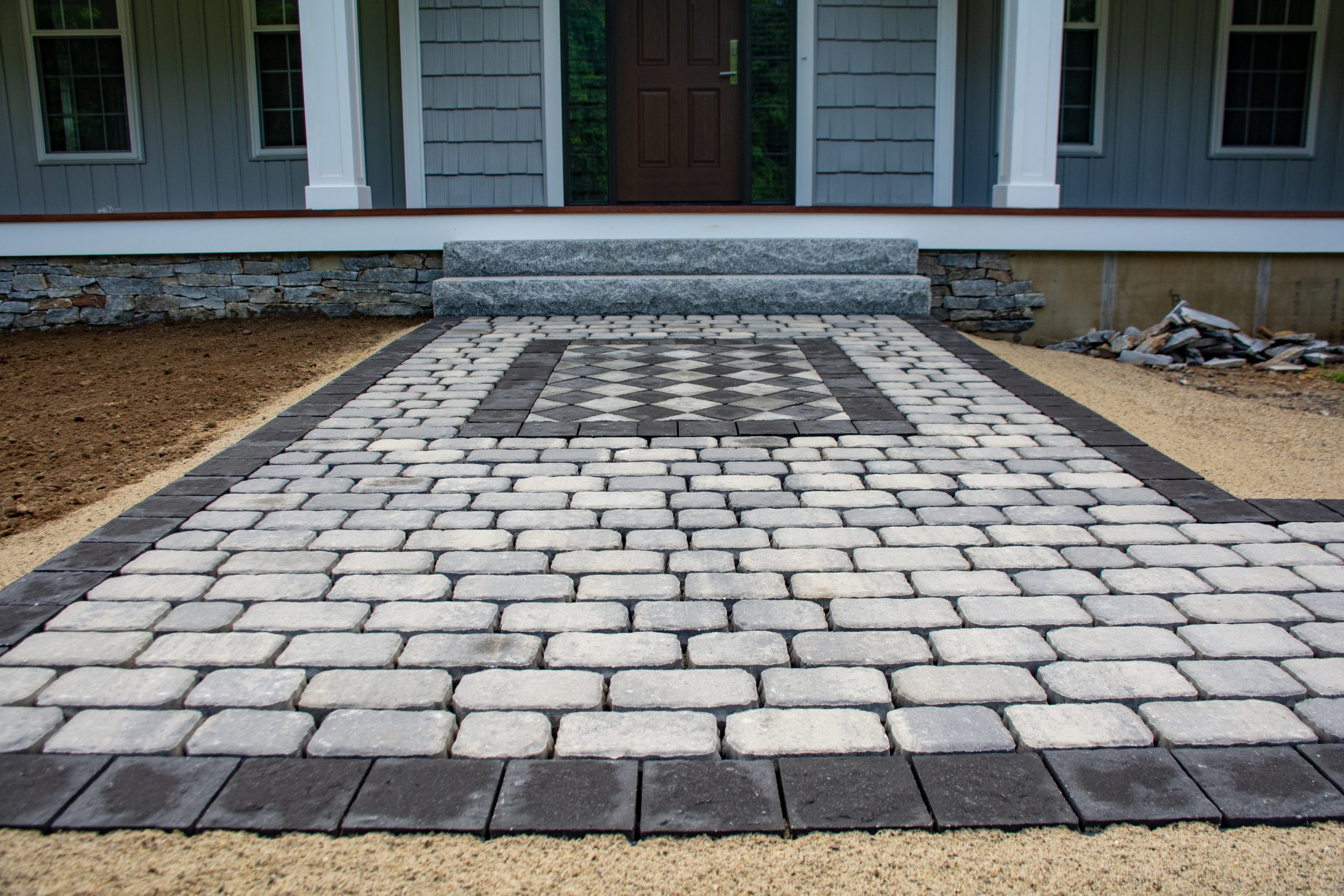
 Choosing the right paving material is a critical decision for any residential or commercial construction project. Concrete pavers vs. brick pavers are two of the most popular options, each offering distinct advantages in terms of durability, appearance, cost, and long-term performance. While both materials are designed to create strong, attractive surfaces, their differences can significantly impact maintenance needs, design flexibility, and overall value.
Understanding how concrete pavers and brick pavers compare aids property owners, designers, and contractors in making informed choices based on budget, aesthetic goals, and intended use. The hardscaping experts at Triad Associates are ready to help outline the key characteristics of each option and highlight where one may be better suited than the other, ensuring the right solution for your project from the start.
Overview of Pavers in Construction
Pavers are individual units most commonly made from concrete or clay that are laid together to create durable, functional, and visually appealing surfaces. They are widely used in construction for driveways, walkways, patios, pool decks, plazas, and other hardscape surfaces.
Unlike poured surfaces, pavers are installed over a prepared base and set in patterns, allowing for greater flexibility, improved drainage, and easier repairs over time. Their modular design makes them a popular choice for both residential and commercial projects where strength, longevity, and aesthetics all matter.
Concrete Pavers
 Concrete pavers are among the most versatile and widely used paving options in modern construction. Known for their strength, design flexibility, and cost-effectiveness, they are commonly used in everything from residential patios to heavy-duty commercial and municipal projects.
Composition and Manufacturing Process
Concrete pavers are made from a mixture of cement, aggregates (such as sand, gravel, or crushed stone), and water. Sometimes, pigments can also be added for color. This mixture is poured into molds and compacted using high-pressure and vibration techniques to ensure density and uniformity. The pavers are then cured, which allows the concrete to harden and achieve its full strength. Because they are manufactured in controlled environments, concrete pavers can be produced in a wide range of shapes, sizes, textures, and colors—even mimicking other types of stone.
Advantages of Concrete Pavers
Concrete pavers offer several key advantages. They are highly durable and capable of withstanding heavy loads, making them suitable for driveways and high-traffic areas. Their design flexibility is a major benefit, as they can mimic the look of natural stone, brick, or other materials at a lower cost. Concrete pavers are also relatively easy to install and repair; if a paver becomes damaged, it can be replaced individually without disturbing the surrounding area. Additionally, they are available at a range of price points, making them accessible for many project budgets.
What Are the Disadvantages of Concrete Pavers?
Despite their many benefits, concrete pavers do have some drawbacks. Over time, colors may fade due to prolonged exposure to sunlight and weather, especially if sealants are not applied or maintained. Concrete pavers can also be more susceptible to surface wear or staining compared to clay brick, particularly in areas exposed to oil, chemicals, or de-icing salts. While durable, they may not retain their appearance as long as brick pavers without regular maintenance, such as cleaning and resealing.
Brick Pavers
Brick pavers are a classic paving material known for their timeless appearance, rich color, and long-lasting performance. Often chosen for traditional, historic, or high-end projects, brick pavers bring a sense of character and permanence to both residential and commercial spaces.
Composition and Manufacturing Process
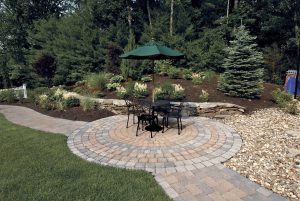 Brick pavers are made from natural clay shaped and then fired in a kiln at extremely high temperatures. This firing process hardens the clay and permanently sets the color throughout the entire paver, rather than just on the surface. Because the color is integral to the material, brick pavers maintain their appearance even as they wear over time. The manufacturing process results in a dense, durable product with consistent size and strength that is well suited for exterior applications.
Advantages of Brick Pavers
One of the primary advantages of brick pavers is their exceptional durability. They are highly resistant to fading, cracking, and weather-related damage, even in harsh climates. Because the color runs through the entire paver, brick maintains its appearance for decades with minimal maintenance. Brick pavers also offer a classic, elegant aesthetic that enhances curb appeal and complements a wide range of architectural styles. Additionally, they are made from natural materials and can be reused or recycled, making them an environmentally friendly option.
What Are the Disadvantages of Brick Pavers?
The main disadvantage of brick pavers is cost. They are generally more expensive than concrete pavers in terms of material and, in some cases, installation. Brick pavers also offer fewer options in terms of shapes, sizes, and colors compared to concrete, which can limit design flexibility. While extremely durable, brick pavers may chip at the edges under heavy impact, and repairs can be more noticeable if replacement bricks differ slightly due to variations in firing batches.
What Is the Difference Between Brick Pavers vs. Concrete Pavers?
When comparing concrete pavers vs. brick pavers, both are durable, attractive paving solutions, but they differ in composition, appearance, maintenance needs, and long-term performance. Understanding these differences helps property owners choose the right material based on budget, design goals, and intended use.
Durability and Strength
Both brick vs. concrete pavers are designed to withstand heavy use and outdoor conditions, but they perform slightly differently over time. Concrete pavers offer excellent compressive strength and are well-suited for driveways, parking areas, and high-traffic spaces. Brick pavers, however, are fired at high temperatures, making them exceptionally dense and resistant to fading, cracking, and weathering. They can be used for any hardscaping application. While both materials are durable, brick pavers tend to maintain their structural integrity and appearance longer with less intervention.
Cost and Installation
Concrete pavers are generally more affordable than brick pavers, both in material cost and overall project expense. Their availability in a wide range of sizes and shapes can also streamline installation. Brick pavers typically come at a higher upfront cost due to the manufacturing process and material quality. Installation for both options is similar, requiring proper base preparation and skilled placement, though the long-term value of brick may offset its higher initial investment for some projects.
Maintenance and Longevity
Concrete pavers usually require more routine maintenance to preserve their appearance, including periodic cleaning and resealing to prevent fading and staining. Brick pavers, by contrast, are naturally colorfast and require minimal maintenance beyond basic cleaning. They don’t need to be sealed, and they don’t require scrubbing or other intense care. Over the long term, brick pavers often outlast concrete pavers aesthetically. Both materials allow for easy repairs by replacing individual units as needed.
Aesthetic Appeal
Concrete pavers offer unmatched design flexibility, with numerous color options, textures, and patterns that can complement modern or custom designs. Concrete pavers can be customized in just about any way you like. In contrast, brick pavers provide a timeless, classic look characterized by warm, natural tones and subtle variations. The choice between the two often comes down to whether a project calls for contemporary versatility or traditional charm—as well as personal tastes.
Environmental Impact
When you compare concrete pavers vs. brick pavers from an environmental perspective, brick pavers are a better choice. Brick pavers are made from natural clay and can be reused or recycled, contributing to sustainable building practices. Concrete pavers also offer eco-friendly benefits, such as permeability options that help manage stormwater runoff. Both materials can support environmentally responsible construction when sourced and installed thoughtfully, though brick pavers emerge with more benefits naturally.
Applications and Best Uses
Concrete pavers are ideal for projects that require design flexibility, cost efficiency, and strong load-bearing performance, such as driveways, patios, walkways, and commercial spaces. Brick pavers are often best suited for historic properties, high-end residential landscapes, and projects where long-term appearance and classic style are priorities. Each material excels when matched to the right application. However, the ultimate choice can often come down to a matter of personal preference—you may just like the look of one better than the other.
How to Choose Between Concrete Pavers vs. Brick Pavers
Choosing between concrete vs. brick pavers ultimately depends on a project’s budget, aesthetic goals, and long-term performance priorities.
Concrete pavers offer superior design flexibility, cost-effectiveness, and excellent compressive strength, making them ideal for driveways and high-traffic areas requiring versatility. However, they demand more routine maintenance, like resealing, to prevent color fading and staining over time.
In contrast, brick pavers come with a higher initial investment but provide exceptional, long-term durability and colorfastness, requiring minimal maintenance. They lend a timeless, classic aesthetic, making them a preferred choice for historic properties and high-end residential landscapes where long-term appearance is paramount.
Work With Triad Associates’ Paver Experts
Choosing between brick vs. concrete pavers is easier with expert guidance. The paver specialists at Triad Associates bring the experience and insight needed to evaluate your site, understand your goals, and recommend the best solution for your project. They use material samples and sketches to help you understand how different pavers may look in your project and may best complement your home. They can also give you tailored recommendations based on the unique needs of your site.The experts at Triad Associates in Haverhill, MA, have been creating beautiful, high-quality hardscapes throughout the Haverhill area for years, and they have a reputation for exceptional workmanship and excellent customer service. From material selection to professional installation, Triad Associates ensures durable, beautiful results that stand the test of time. Call us today to schedule a consultation and start creating your next hardscape project, whether with brick or concrete pavers or another material.