 Sealing concrete pavers is one of the best ways to enhance their appearance, protect them from stains, and extend their lifespan. A proper sealant helps lock out moisture, prevents weed growth between joints, and keeps pavers looking vibrant for years. Whether you’re refreshing an older patio or finishing a brand-new installation, understanding how to seal concrete pavers is essential for long-term performance. Hiring experienced professionals like those at Triad Associates ensures that you get long-lasting results and protect your investment.
Do Concrete Pavers Need to Be Sealed?
While sealing is not strictly required, it is highly recommended. Concrete pavers are porous, which makes them vulnerable to several issues that homeowners often try to prevent when learning how to seal concrete pavers effectively:
- Water absorption and freeze-thaw damage
- Mold, moss, and algae growth
- Efflorescence (white, chalky residue)
- Stains from vehicles, food, or organic debris
- Color fading from UV exposure
Sealing helps prevent these issues and enhances the overall look of your hardscape. Sealed pavers also tend to be easier to clean and maintain.
Preparing Concrete Pavers for Sealing
Proper preparation ensures the sealant adheres correctly and delivers long-lasting results. Before starting any project involving how to seal concrete pavers, make sure to:
- Clean the pavers thoroughly. Remove dirt, weeds, stains, and organic buildup with a pressure washer or paver-safe cleaner.
- Allow the pavers to dry completely. Moisture trapped beneath the sealant can cause haze, cloudiness, or improper bonding.
- Replenish joint sand if needed. Brush polymeric or standard joint sand into gaps to stabilize the surface and prevent shifting.
- Repair damaged areas. Replace cracked pavers, level uneven sections, or fill voids before sealing.
Good prep work makes a major difference in how well the sealant performs and how long it lasts.
What’s the Best Way to Seal Pavers?
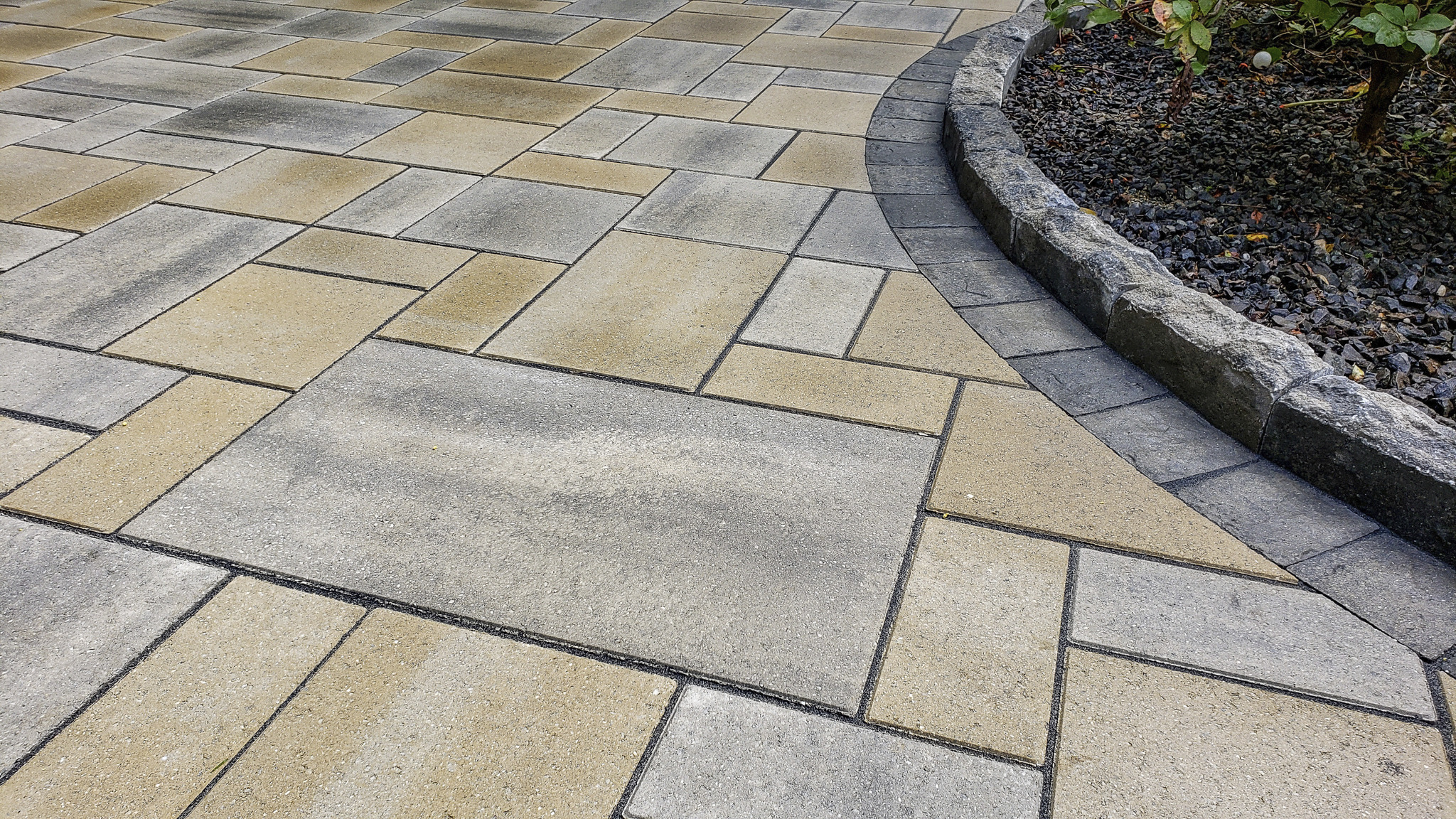
 The best method depends on the type of pavers, desired appearance, and the sealant you choose. In general, the most reliable approach includes choosing a high-quality, breathable paver sealer and applying it evenly with a sprayer or roller. You’ll need to do it during mild, dry weather and then allow proper drying and curing time.
Types of Sealers for Concrete Pavers
There are three main categories of paver sealers, each offering unique benefits
- Film-forming sealers (Acrylic/Styrene-Acrylic): Provide a glossy appearance and enhanced color; great for decorative pavers.
- Penetrating sealers (Silane/Siloxane): Soak into the material for strong water resistance without changing the appearance.
- Polymeric sealers: Combine sealing and joint stabilization, ideal for high-traffic areas or driveways.
Understanding the characteristics of each type will help you choose the best option for your project.
How to Match Sealer to Project Needs
The best sealer depends on your goals:
- For color enhancement, choose a film-forming or wet-look sealer.
- For high durability, use a penetrating sealer, especially in harsh climates.
- For stabilizing joints, select a polymeric joint-stabilizing formula.
- For minimal change in appearance, choose a natural-look penetrating sealer.
Consider whether your space prioritizes aesthetics, protection, joint stability, or all three.
Gloss, Semi-Gloss, and Natural Finish Options
Paver sealers come in different sheen levels to match your desired look. A gloss finish creates a shiny, wet appearance that intensifies color. It’s great for patios, pool decks, and decorative areas. A semi-gloss finish offers moderate sheen, enhancing color without full shine. A natural (matte) finish maintains the original look of the pavers while providing water and stain protection. Choosing the right sheen depends on the aesthetic you want and how much slip resistance or color enhancement you prefer.
How to Seal Concrete Pavers
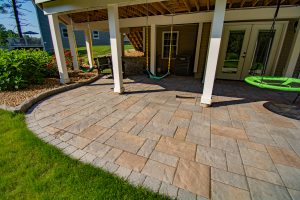 Learning how to seal concrete pavers is a straightforward process. Doing it correctly ensures smooth application, deep protection, and long-lasting results. The right timing, preparation, and technique make all the difference.
Weather Conditions and Timing
Good weather is essential for a successful sealing job. Sealers need dry conditions and moderate temperatures to cure properly. Ideal conditions include:
- Temperature between 50-80°F
- No rain for at least 24-48 hours
- Dry pavers with no trapped moisture
- Low humidity for smooth, even curing
- Shade or soft sunlight to avoid quick evaporation
Avoid sealing immediately after heavy rainfall, during extreme heat, or when nighttime temperatures drop below freezing.
Tools and Materials Needed
Having the right tools on hand ensures efficient, even application. You’ll typically need:
- Paver cleaner or pressure washer
- Polymeric or standard sand (if replenishing joints)
- Leaf blower or broom
- Painter’s tape (for bordering surfaces)
- Sealer (acrylic, penetrating, or polymeric)
- Pump sprayer or roller with tray
- Gloves and protective eyewear
- Backer board or cardboard (to shield surrounding areas)
A sprayer provides the most even coverage, while a roller helps with saturation or touch-ups.
Step-by-Step Application Process
Your paving professional will follow these steps for the best results:
- Clean the pavers thoroughly to remove dirt, weeds, stains, and debris.
- Let the pavers dry completely. This may take 24-48 hours. Wet surfaces can cause hazing or poor bonding.
- Re-sand the joints if needed to stabilize the pavers.
- Apply the first coat of sealer using a sprayer or roller.
- Back-roll as necessary to smooth out excess product and ensure uniform coverage.
- Allow the first coat to dry. Depending on the product, drying may take 1-2 hours.
- Apply a second coat. Many sealers perform best with two light coats rather than one heavy coat.
Following these steps helps the sealant bond properly and deliver long-term protection.
Curing Time and Aftercare
After sealing, no foot traffic should be on or near the retaining wall for 24 hours. Vehicle traffic should be restricted for 48-72 hours. The full cure time is 5-7 days. During curing, keep the surface free of debris, leaves, and standing water.
How to Maintain Sealed Concrete Pavers
In addition to learning how to seal concrete pavers, paver maintenance is key to learn about as well. Sealed pavers stay beautiful longer, but routine care extends their lifespan and keeps the finish looking fresh. Proper maintenance prevents deterioration and protects your investment.
How Often to Reseal
Most paver sealers last 2-4 years, depending on foot and vehicle traffic, climate and sun exposure, quality of the original sealer, and maintenance habits. High-traffic areas, like driveways, may require resealing more frequently than shaded patios or walkways.
Cleaning Tips for Long Term Protection
To keep sealed pavers looking their best:
- Sweep regularly to remove dirt and debris
- Rinse with a hose or pressure washer on a low setting
- Use paver-safe cleaners for stains
- Treat weeds or moss early
- Avoid harsh chemicals and de-icing salts when possible
A regular cleaning routine prevents buildup and keeps the sealer performing properly.
Signs Your Pavers Need a New Coat
You’ll know it’s time to reseal when you notice:
- Pavers absorbing water instead of repelling it
- Fading color or dull appearance
- Sand washing out of joints
- Increased staining
- Visible wear on high-traffic areas
These signs show that the protective barrier has thinned and needs to be refreshed.
Work with Triad Associates’ Concrete Pavers Experts
For long-lasting results, trust your sealing project to Triad Associates in Haverhill, MA, the region’s leading experts in concrete paver installation, maintenance, and restoration. Our team ensures great results with proper surface prep and cleaning and the right sealer choice for your environment and aesthetic. You’ll get increased longevity and resistance to wear and a beautifully enhanced finish that transforms your outdoor space.
Whether your pavers are newly installed or years old, Triad Associates can help you protect, preserve, and elevate your hardscape with expert guidance on how to seal concrete pavers for maximum durability and appearance. Contact us today to get started.