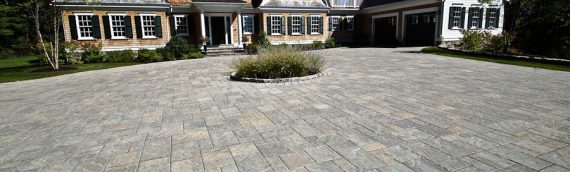
Pavers are one of the most durable and visually appealing materials you can use for a driveway, which makes them a top choice when people ask if you can use pavers for a driveway. They offer a combination of strength, flexibility, and style that poured concrete or asphalt simply cannot match. With proper installation and maintenance, a paver driveway can handle heavy vehicles, resist cracking, and enhance your home’s curb appeal for decades.
Types of Pavers Suitable for Driveways
Not all pavers are created equal. Driveway pavers are specially engineered to withstand high pressure and constant use without shifting or breaking. The most common options include:
- Concrete Pavers: Affordable, versatile, and available in a wide range of shapes and colors. They can be arranged in interlocking patterns for added strength.
- Clay Brick Pavers: Classic and elegant, brick pavers bring a timeless aesthetic to traditional homes. They’re durable and resistant to fading.
- Natural Stone Pavers: Materials like granite, basalt, or bluestone offer premium beauty and longevity. Though more expensive, they can last for generations with proper care.
When properly installed on a compacted base with the right thickness, all these paver types are strong enough for regular vehicle traffic.
Are Pavers a Good Idea for a Driveway?
Paver driveways combine function and form in a way few materials can match, which makes them an excellent answer to “can you use pavers for a driveway?” They are designed to flex slightly under weight, which prevents cracking and splitting that often occur with concrete slabs. Pavers provide superior drainage through the sand filled joints, reducing puddles and erosion. While installation costs may be higher than asphalt or concrete, the long term return on investment makes pavers a smart and lasting choice.
How Long Will a Paver Driveway Last?
With professional installation and regular maintenance, a paver driveway can last 50 years or more, further supporting the idea behind using pavers for a driveway. The key to longevity is the flexible base system beneath the surface, which prevents shifting and cracking caused by soil movement or freeze thaw cycles.
Are Pavers Strong Enough to Drive On?
High-quality driveway pavers are engineered to withstand thousands of pounds of weight. When installed with a solid base of crushed stone and properly compacted sand, pavers can easily support even light commercial vehicles. In fact, interlocking concrete pavers are rated for load-bearing strength that often exceeds that of poured concrete.
Easy Repairs and Maintenance
One of the biggest advantages of a paver driveway is how easy it is to maintain and repair. Occasional sweeping, rinsing, and resealing are all that’s required to keep the surface looking new. For minor damage, you can simply replace the affected pavers—no need to tear out the entire driveway.
Important Considerations
Before choosing pavers for your driveway, keep these key factors in mind:
- Base preparation: A properly compacted base is crucial for strength and stability.
- Edge restraints: These prevent the outer pavers from shifting under vehicle pressure.
- Drainage: Ensure the driveway slopes slightly to direct water away from the surface.
- Sealer selection: The right sealer protects against oil stains, fading, and erosion.
Hiring an experienced hardscape contractor ensures all these elements are handled correctly from the start.
What Are the Disadvantages of a Paver Driveway?
While pavers offer many benefits, they do have a few potential drawbacks. Paver driveways generally cost more to install than poured concrete or asphalt. They also require occasional re-sanding to keep joints filled and stable. If they are not sealed or maintained, weeds can grow between pavers. These disadvantages are manageable with proper installation and care, making them a minor trade-off for decades of durability and curb appeal.
Choosing the Right Paver Thickness
Thickness is critical for driveway performance. Pavers should be at least 2⅜ inches (60 mm) thick for residential driveways or 3⅛ inches (80 mm) or thicker for commercial driveways. The correct thickness ensures the pavers can handle repeated vehicle loads without cracking or sinking.
Sealing and Ongoing Care
Sealing your driveway pavers every 2-3 years helps preserve color, resist stains, and protect against water absorption. A penetrating sealer is ideal for maintaining the natural look of stone or concrete while adding a protective barrier.
For ongoing care, sweep regularly to prevent debris buildup and rinse occasionally with water to remove dirt and dust. Re-sand joints as needed with polymeric sand to maintain stability.
Work With Triad Associates’ Pavers Experts
At Triad Associates, we specialize in designing and installing high-performance paver driveways that combine structural integrity with stunning design. For anyone wondering if you can use pavers for a driveway, our team shows exactly how durable and attractive the result can be. From custom pattern layouts to premium materials and precise installation, we ensure your driveway is built to last. Contact Triad Associates today to schedule a consultation and discover how our paver experts can elevate your home’s exterior with craftsmanship that stands the test of time.