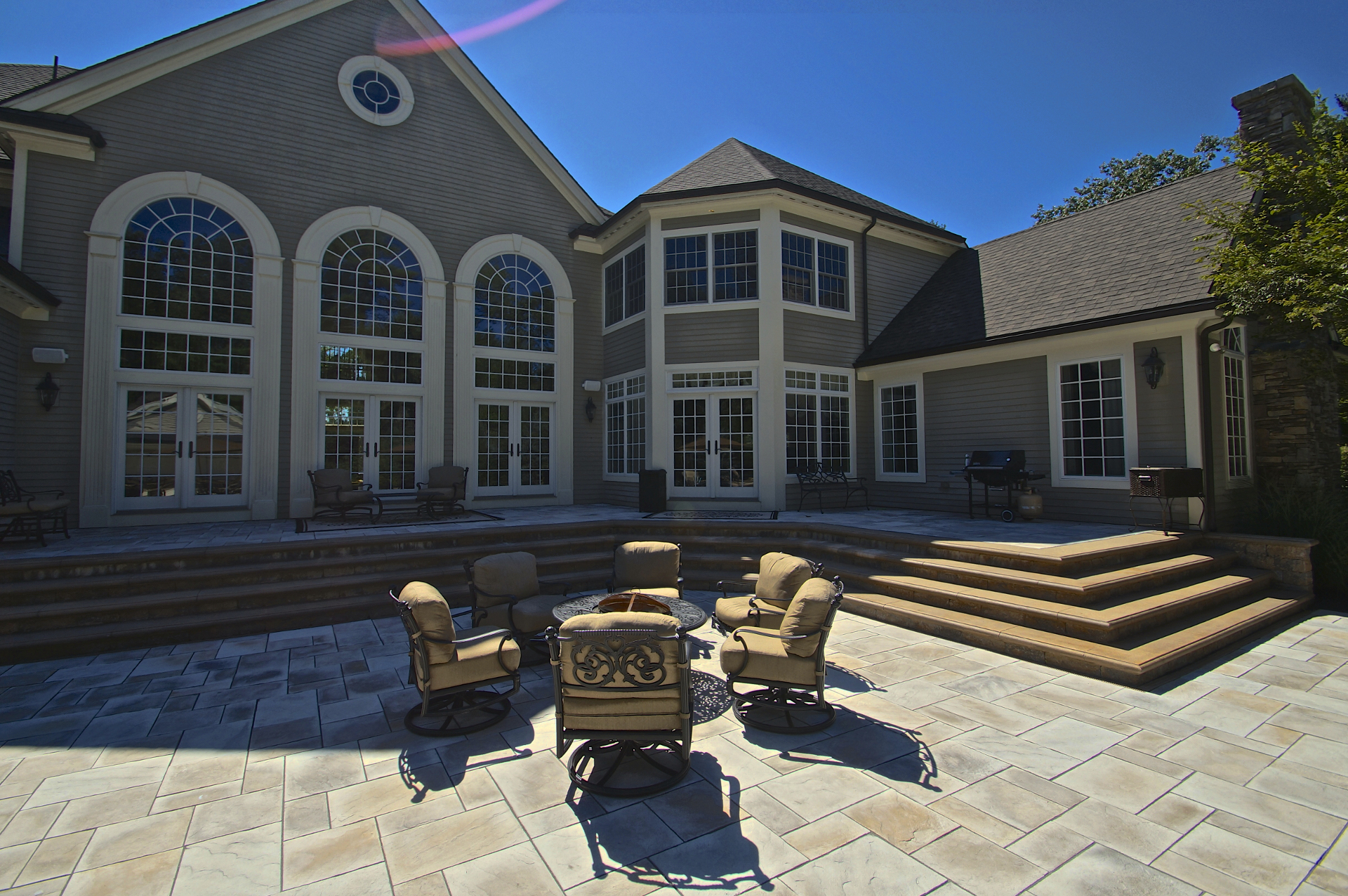
 Transforming your outdoor space begins with choosing the right hardscape material. Whether you’re designing a new patio, driveway, or walkway, comparing stamped concrete vs. pavers cost can have a major impact on your budget, maintenance needs, and long-term satisfaction. Both materials offer unique advantages, but understanding the true costs from installation to upkeep will help you make an informed choice that fits your goals and aesthetic vision. The experts at Triad Associates will help you understand your choices and guide you every step of the way so that you can get the best results from your hardscaping project.
Understanding Hardscape Material Choices
Stamped concrete delivers a seamless, customizable surface that can mimic the look of stone, brick, or tile at a lower upfront cost. Pavers, on the other hand, are individual units – often made of concrete, brick, or natural stone – that interlock to create durable, flexible surfaces. While both can dramatically elevate curb appeal, the differences in material composition, installation method, and long-term maintenance make cost comparisons essential.
Factors That Influence Overall Project Cost
Several factors determine how much your hardscape project will cost, including:
- Material quality and finish: Premium pavers and intricate stamped patterns increase cost.
- Labor complexity: Custom designs, curves, and borders require more time and expertise, leading to higher costs.
- Subgrade preparation: Proper excavation and base compaction are critical for durability. The more steps required, the higher the project will cost.
- Sealing and maintenance: Periodic sealing for stamped concrete or re-sanding joints for pavers adds ongoing costs.
- Climate and soil conditions: Areas prone to freeze-thaw cycles or heavy rainfall may need additional base materials or drainage systems, affecting both installation and long-term expenses.
Stamped Concrete Overview
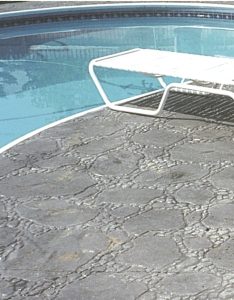 Stamped concrete is poured as a single slab and then textured, colored, or patterned to replicate natural stone or brick. It’s a versatile choice that offers a cohesive appearance ideal for patios, pool decks, and walkways.
What Is Stamped Concrete
Stamped concrete starts with a freshly poured concrete slab. Before it fully sets, specialized stamps are pressed into the surface to create patterns resembling slate, cobblestone, flagstone, or even wood planks. Color hardeners and release agents add dimension and natural variation, enhancing its visual appeal.
Average Cost per Square Foot
On average, stamped concrete costs between $12 and $18 per square foot, which is an important part of evaluating stamped concrete vs. pavers cost. Basic designs may run closer to $10 per square foot, while elaborate multi-color patterns or custom borders can exceed $20 per square foot. Compared to pavers, stamped concrete usually has a lower initial cost for large continuous areas.
Maintenance and Long-Term Expenses
Stamped concrete requires periodic sealing to preserve color, prevent staining, and reduce surface wear. Minor cracks may develop over time, especially in regions with freeze-thaw cycles. Repairing these cracks can be challenging, as patchwork often stands out against the patterned surface. Routine cleaning and resealing are crucial to maintaining both appearance and durability. Plan for resealing every 2-3 years.
What Is the Downside of Stamped Concrete?
While stamped concrete is visually stunning and cost-effective upfront, it comes with a few drawbacks:
- Cracking: As a single slab, it’s prone to cracking from ground movement or temperature changes.
- Slipperiness: When sealed, the surface can become slick when wet.
- Difficult repairs: Matching color and texture for repairs is often impossible without redoing larger sections.
- Maintenance: Regular resealing is necessary to protect against fading and moisture damage.
Despite these challenges, stamped concrete remains a popular choice for homeowners seeking a high-end look without the high-end price tag.
Pavers Overview
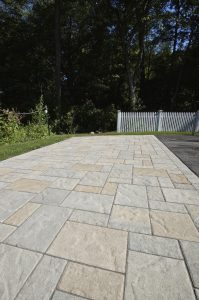 Pavers bring timeless beauty and flexibility to outdoor living spaces. Made from individual concrete, brick, or natural stone units, pavers offer design versatility and superior durability under heavy use. Their modular nature allows for easy repairs and custom layouts, making them a long-term favorite for driveways, patios, walkways, and pool decks.
What Are Pavers
Pavers are precast blocks or tiles that interlock to form a patterned surface. They come in various materials, including concrete, clay brick, and natural stone, and can be arranged in countless patterns such as herringbone, basket weave, or running bond. Unlike stamped concrete, which is poured as a single slab, pavers are installed over a compacted base and sand layer, allowing them to flex with ground movement and resist cracking.
Average Cost per Square Foot
The average cost for pavers ranges from $16 to $25 per square foot, which is a key factor when comparing stamped concrete vs. pavers cost. Concrete pavers typically cost $12 to $18 per square foot. Clay brick pavers average $14 to $22 per square foot. Natural stone pavers such as travertine, slate, or bluestone can reach $25 to $40 per square foot. While the initial investment is higher than stamped concrete, pavers often deliver greater longevity and easier maintenance, which can offset the upfront cost over time.
Maintenance and Long-Term Expenses
Pavers are relatively low-maintenance compared to other surfaces. Occasional sweeping, washing, and re-sanding of joints every few years help maintain their stability. Sealing is optional but recommended to enhance color and resist stains. If a section becomes damaged or discolored, individual pavers can be replaced without disturbing the rest of the surface – an advantage over continuous concrete slabs.
What Is the Downside of Pavers?
Despite their many strengths, pavers have a few potential drawbacks:
- Higher installation cost: Labor-intensive placement and base preparation increase the upfront expense.
- Weed growth: Without proper joint sand or sealing, weeds or moss can grow between pavers.
- Shifting: Inadequate base preparation can lead to settling or unevenness over time.
- Maintenance of joints: Re-sanding and occasional leveling may be required.
Even with these considerations, pavers remain one of the most durable and visually customizable hardscape materials available.
Cost Comparison: Stamped Concrete vs. Pavers
When evaluating stamped concrete vs. pavers cost, the true value lies in balancing aesthetics, upfront investment, and longevity. While stamped concrete may offer a lower initial price, pavers often deliver superior long-term performance and easier upkeep.
Initial Installation Cost
Stamped concrete costs $12 to $18 per square foot on average. Pavers cost $16 to $25 per square foot on average. Stamped concrete generally costs 20-30 percent less upfront due to lower labor requirements. However, pavers’ modular design can save money over time through simpler repairs and reduced maintenance.
Do Pavers or Stamped Concrete Last Longer?
Pavers typically outlast stamped concrete. Pavers can last 50 years or more with minimal upkeep, especially when properly installed on a stable base. Stamped concrete usually lasts 25-30 years, though cracking and surface wear can shorten its lifespan if maintenance lapses. In climates with freeze-thaw cycles, pavers perform especially well because they can flex slightly without cracking, while stamped concrete slabs are more prone to damage.
Repair and Replacement Costs
When damage occurs, pavers are far easier and cheaper to repair. Individual units can be removed and replaced at a cost of $10-$15 per square foot for small repairs. Stamped concrete repairs are more complex, averaging $8-$20 per square foot, but color matching and texture blending are often imperfect, leaving visible patches. Over time, the ease of maintenance and repairability makes pavers a cost-effective choice for homeowners prioritizing long-term durability and aesthetic consistency.
Which Option Offers Better Value
Both stamped concrete and pavers can create stunning outdoor spaces, but choosing between them often comes down to comparing stamped concrete vs. pavers cost along with your long-term goals, environment, and aesthetic preferences. Stamped concrete offers a seamless, custom look at a lower upfront cost, while pavers provide unmatched longevity, flexibility, and easy repair options. Understanding how each performs over time helps you select the material that delivers the right balance of beauty, performance, and cost-effectiveness.
Budget Considerations
If your priority is minimizing initial investment, stamped concrete is the more affordable option, especially for large patios or driveways. Its continuous surface reduces labor time and material waste. However, pavers tend to offer better lifetime value: their durability and simple repair process mean you’ll likely spend less over the decades. For homeowners planning to stay long-term, pavers often prove to be the wiser financial choice.
Climate and Soil Impact
Local climate and soil conditions play a major role in determining which material will last longer. In freeze-thaw climates, pavers are superior, as their interlocking design allows movement without cracking. In warm or stable regions, stamped concrete performs well with proper sealing and drainage. In areas with poor soil drainage, pavers allow water to permeate between joints, reducing the risk of surface shifting and puddling.
If you live in a region like New England, where temperature swings and moisture are common, pavers generally outperform stamped concrete in both durability and appearance over time.
Resale Value and Curb Appeal
Both materials can enhance curb appeal and property value, but pavers have a slight edge. The high-end aesthetic and longevity of paver patios and driveways often make a stronger impression on potential buyers. Pavers can also be lifted and reset if future renovations are needed, while stamped concrete typically must be removed entirely.
Stamped concrete still offers excellent design versatility, with color and pattern customization that can mimic upscale materials at a fraction of the cost. For homeowners focused on immediate visual impact and budget-conscious upgrades, it remains a compelling choice.
Choosing the Right Material for Your Project
When deciding between stamped concrete and pavers, consider your:
- Budget: Short-term vs. long-term investment.
- Climate: Freeze-thaw cycles, rainfall, and soil movement.
- Maintenance commitment: Willingness to reseal vs. re-sand.
- Aesthetic goals: Seamless vs. modular patterns.
Ultimately, both materials can deliver stunning, durable results when installed by experienced professionals. Partnering with a trusted hardscape contractor ensures your project is built to last, no matter which surface you choose.
Work With Triad Associates’ Concrete Experts
At Triad Associates, our team has decades of experience designing and installing premium hardscape solutions across Haverhill, MA. Whether you envision a custom stamped concrete patio or a paver driveway built for long-lasting performance, we will guide you through the details of stamped concrete vs. pavers cost so you can choose the right material for your home, budget, and lifestyle. Contact Triad Associates today to schedule a consultation and transform your outdoor space with craftsmanship that endures.