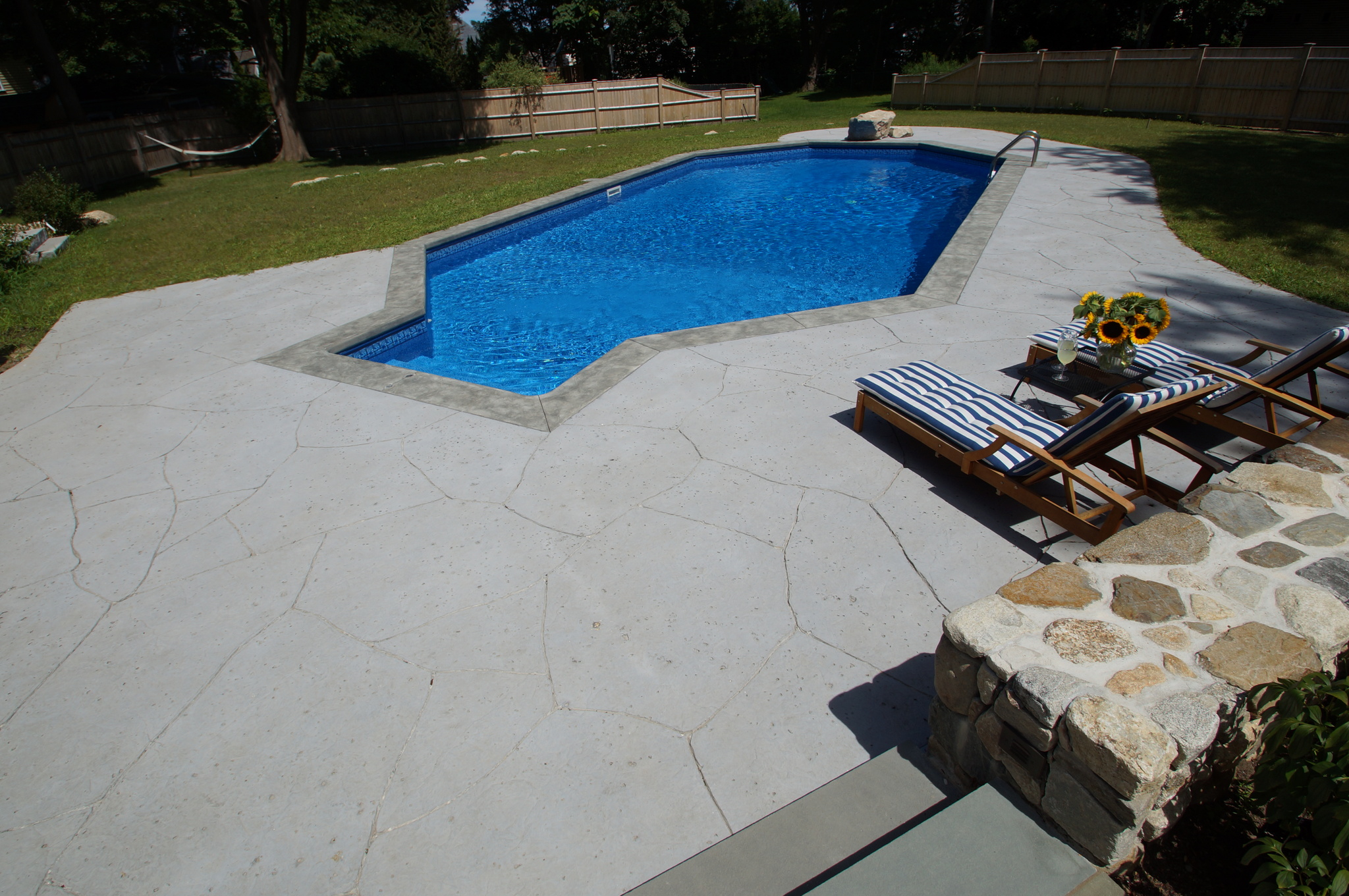
 Stamped concrete is a beautiful and durable way to add texture and design to patios, walkways, and pool decks, but even the strongest surfaces need a refresh over time. Cracking, fading, or surface wear can occur after years of exposure to the elements. Fortunately, learning how to resurface stamped concrete can restore its original look and strength without the need for a full replacement.
Though resurfacing stamped concrete can be a DIY job, it’s not recommended. There are several steps that require professional expertise and experience to ensure that you get long-lasting results. That’s why you should call the trusted professionals at Triad Associates to perform your resurfacing and protect your investment.
Can I Resurface Stamped Concrete?
Yes, you can! As long as the concrete foundation is still structurally sound, resurfacing is an excellent way to renew the surface’s appearance and extend its lifespan. Resurfacing involves applying a thin overlay over the existing concrete, then re-stamping, coloring, and sealing it for a like-new finish.
However, you should always leave this work to the professionals, like those at Triad Associates, so that any underlying structural issues are addressed and you get the best results.
Assessing the Condition of the Stamped Concrete
Before work begins, one of our professionals will evaluate the current state of your stamped concrete to ensure resurfacing is a viable option.
Identifying Cracks and Damage
The inspection will involve walking over the surface to look for cracks, chips, or spalling (surface flaking). Hairline cracks are usually fine and can be filled during the repair phase, but deeper cracks that affect the slab’s structure might require more extensive repairs or even replacement. The inspection will also note any uneven sections or pooling water, which could indicate settling issues beneath the surface.
Evaluating Surface Texture and Color
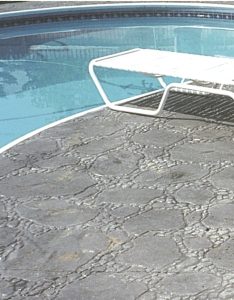 If the texture has worn down or the color has faded, resurfacing will help restore both. Understanding how to resurface stamped concrete correctly ensures that the underlying slab is stable enough to bond with a new overlay. At this stage, our professionals scrape off loose material and clean a small test area to see how the current color and pattern hold up after cleaning. This helps determine how much prep work is needed.
Preparing the Surface
Proper preparation is the foundation of a long-lasting resurfacing job. Skipping or rushing this step can cause poor adhesion and premature failure of the overlay.
Cleaning and Removing Debris
When resurfacing stamped concrete, our professionals start by thoroughly cleaning the surface to remove dirt, oil, grease, and other contaminants. A pressure washer or a concrete cleaner with a stiff-bristle brush is ideal for removing buildup. Any debris left behind can prevent the overlay from bonding correctly. The surface is left to dry completely before moving to the next step.
Repairing Cracks and Holes
Next, a concrete patching compound or epoxy filler is used to repair cracks and holes. The surface is smoothed out to allow adequate curing time. When learning how to resurface stamped concrete, this step is crucial — filling and smoothing surface flaws now ensures an even finish once the overlay is applied.
Etching or Grinding the Surface
Etching or lightly grinding the concrete helps create a rough texture that promotes better adhesion for the overlay. This step removes sealants or coatings that could prevent bonding. Our professionals will either use a concrete etching solution or a grinder with a diamond pad for this process. Once finished, the area will be cleaned again to remove dust or residue.
Applying the Overlay Material
Once the surface is clean, dry, and prepped, it will be time to apply the concrete overlay.
Choosing the Right Concrete Overlay
Our professionals use a polymer-modified overlay or microtopping designed for stamped concrete resurfacing. These materials are durable, flexible, and capable of recreating detailed stamped patterns. Depending on your needs, overlays can be applied in thin coats for minor resurfacing or thicker applications for deeper impressions.
Mixing and Applying the Overlay
Improper mixing and application can cause concrete repairs to fail, which is one of the many reasons we don’t recommend DIY jobs. When you’re figuring out how to resurface stamped concrete, you must follow the manufacturer’s instructions carefully when mixing the overlay, use a paddle mixer for even consistency, and work in small batches to prevent drying before application. The overlay is applied evenly with a squeegee or trowel, covering the entire surface to the desired thickness.
Re-Stamping the Pattern
Before the overlay fully sets, stamping mats or texture tools are pressed into the surface to recreate the desired pattern. Release agents are used to prevent the mats from sticking. The new pattern must be blended into the old design for a seamless look.
Coloring and Sealing the Surface
Adding color and sealing the resurfaced concrete brings it to life while protecting it from future damage.
Applying Color or Stain
The overlay itself can be tinted or acid stains, water-based stains, or integral color pigments can be applied once the surface has cured. For multi-toned designs, different shades must be layered to create a realistic, stone-like appearance. Color should always be tested on a small section before applying it across the entire area to ensure that it matches the desired look.
Sealing for Protection and Longevity
Once the color has fully dried, a high-quality concrete sealer must be applied to protect the stamped surface from moisture, UV rays, and wear. A sealer enhances color depth and provides a glossy or matte finish, depending on preference. Sealer should be reapplied every 2-3 years to maintain maximum durability and beauty.
Maintenance After Resurfacing
After your stamped concrete has been resurfaced, proper maintenance will keep it looking like new. Sweep regularly, clean spills promptly, and avoid harsh chemicals that can damage the sealant. During winter months, use non-corrosive de-icers to protect the surface from cracking or discoloration.
What Is the Downside of Stamped Concrete?
While stamped concrete is visually stunning and long-lasting, it can be prone to cracking or fading if not maintained properly. It also requires resealing every few years to preserve its look and prevent surface damage. However, resurfacing makes upkeep far easier and significantly extends the life of your investment.
Work With Triad Associates’ Stamped Concrete Experts
Knowing how to resurface stamped concrete takes skill, precision, and the right materials – and no one does it better than Triad Associates. With decades of experience in decorative hardscapes, our team specializes in stamped concrete restoration, overlays, and color enhancement throughout Haverhill, MA. Whether you’re refreshing a faded patio or repairing surface wear, Triad’s experts can help you restore beauty and function without the cost of a full replacement. Call us today to schedule a consultation and discover how professional resurfacing can transform your stamped concrete into a stunning, lo